
Why Industries Need Advanced Water Treatment Systems
Why Industries Need Advanced Water Treatment Systems to remove heavy metals from industrial effluent, ensuring cleaner water, compliance, and sustainability.
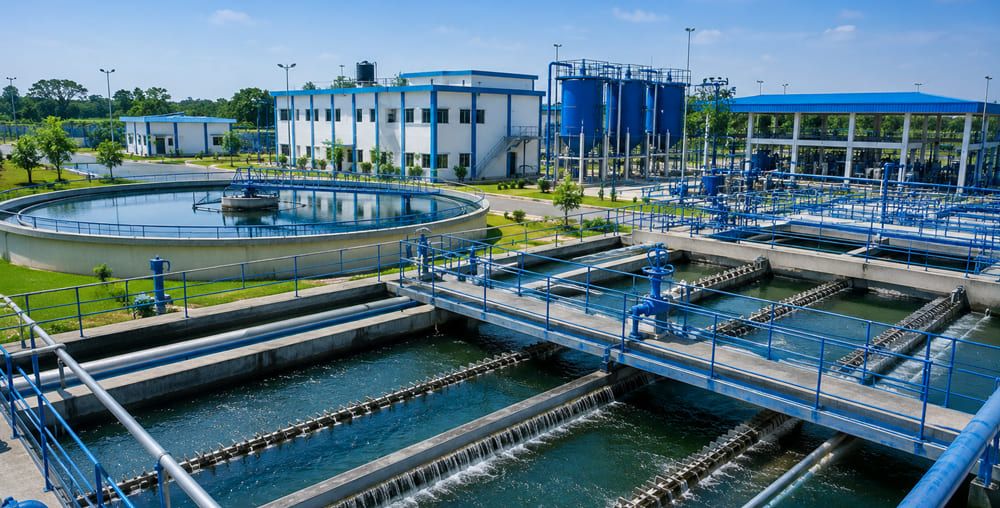
Why Industries Need Advanced Water Treatment Systems
Water is one of the most important resources for industrial operations. From manufacturing and chemical processing to pharmaceuticals, food production, and power generation, industries depend on water for various processes. However, increasing water scarcity, strict environmental regulations, and rising operational costs have made traditional water management methods insufficient. This is where advanced water treatment systems play a crucial role.
Modern industries require efficient solutions that not only treat wastewater but also improve water reuse, reduce environmental impact, and support sustainable operations. Advanced water treatment technologies help businesses maintain productivity while protecting valuable water resources. These systems are especially important for industries that need to remove heavy metals from industrial effluent, ensuring harmful contaminants are properly treated before wastewater discharge or reuse. By implementing advanced treatment solutions, industries can achieve better compliance, reduce pollution risks, and create a more sustainable water management approach.
Understanding Advanced Water Treatment Systems
Advanced water treatment systems use innovative technologies to remove contaminants, chemicals, dissolved solids, and harmful pollutants from industrial wastewater. Unlike conventional treatment methods, these systems provide a higher level of purification and allow industries to recycle and reuse water effectively.
Technologies such as membrane filtration, reverse osmosis, ultrafiltration, dissolved air flotation, biological treatment, and Zero Liquid Discharge (ZLD) systems help industries manage complex wastewater challenges.
These solutions are designed to handle different types of industrial wastewater, including wastewater containing heavy metals, high organic loads, chemicals, and high total dissolved solids (TDS).
Importance of Water Treatment in Industrial Operations
1. Ensures Compliance with Environmental Regulations
Industries generate wastewater that may contain harmful pollutants. Discharging untreated or poorly treated wastewater can damage ecosystems and lead to regulatory penalties.
Advanced water treatment systems help industries meet environmental standards by effectively removing contaminants before discharge. Proper wastewater management ensures compliance with government regulations and promotes responsible industrial practices.
2. Reduces Water Consumption Through Recycling
Freshwater availability is becoming a major concern for industries worldwide. Relying only on fresh water sources increases operational costs and creates sustainability challenges.
Advanced treatment technologies allow industries to recycle and reuse treated water for cooling systems, manufacturing processes, cleaning applications, and other industrial activities. This reduces freshwater dependency and helps businesses achieve long-term water sustainability.
3. Improves Operational Efficiency
Poor-quality water can negatively affect industrial equipment and production processes. High levels of minerals, chemicals, and impurities can cause scaling, corrosion, and equipment failure.
By using advanced water purification systems, industries can maintain better water quality, improve equipment performance, and reduce maintenance requirements. Clean process water helps improve productivity and ensures smooth operations.
Advanced Technologies Used in Industrial Water Treatment
Reverse Osmosis (RO) Systems
Reverse osmosis is widely used for removing dissolved salts, minerals, and impurities from water. It is an effective solution for industries requiring high-quality purified water for production processes.
RO systems are commonly used in sectors such as pharmaceuticals, food processing, electronics, and chemical industries.
Membrane Filtration Technology
Membrane technology provides efficient separation of contaminants from wastewater. Processes such as ultrafiltration and nanofiltration help remove suspended solids, bacteria, and organic compounds.
This technology improves water quality while reducing chemical usage and operational costs.
Zero Liquid Discharge (ZLD) Systems
Zero Liquid Discharge systems are advanced wastewater treatment solutions that help industries eliminate liquid waste discharge. Zero liquid discharge ETP technology recovers water from industrial wastewater and converts the remaining waste into solid form for safe disposal. These systems help industries achieve maximum water recovery while reducing their environmental footprint and improving wastewater management efficiency.
Industries with strict environmental requirements use ZLD systems to maximise water reuse, minimise pollution, and comply with regulatory standards. By implementing a Zero liquid discharge ETP, businesses can create a sustainable water treatment process while reducing dependency on freshwater resources.
Biological Treatment Systems
Biological treatment uses microorganisms to break down organic pollutants present in wastewater. It is commonly used in industries such as food processing, textile, and pharmaceutical manufacturing.
These systems provide an eco-friendly approach to treating wastewater while reducing harmful organic content.
Benefits of Installing Advanced Water Treatment Systems
Cost Savings
Although advanced water treatment systems require an initial investment, they provide significant long-term savings. Reduced water consumption, lower wastewater disposal costs, and improved equipment lifespan help industries control operational expenses.
Environmental Protection
Industrial wastewater can negatively impact rivers, groundwater, and soil if not properly treated. Advanced systems reduce harmful pollutants and support environmentally responsible industrial practices.
Better Resource Management
Industries worldwide are adopting sustainable water reuse practices and advanced treatment approaches to improve water efficiency and reduce environmental impact. Organisations such as the International Water Association provide valuable insights into global water management and reuse strategies.
Improved Brand Reputation
Businesses that adopt sustainable water management practices demonstrate their commitment to environmental responsibility. This improves their reputation among customers, stakeholders, and regulatory authorities.
Why Industries Should Invest in Modern Water Treatment Solutions
Traditional wastewater treatment methods may not be enough to handle today’s industrial challenges. Increasing pollution levels, stricter regulations, and growing water demand require smarter solutions.
Advanced water treatment systems provide industries with reliable, efficient, and sustainable methods for managing water resources. Whether it is reducing wastewater discharge, recovering valuable resources, or improving process efficiency, these technologies help industries operate responsibly.
Investing in advanced treatment solutions also prepares businesses for future challenges by creating a sustainable water management strategy.
Conclusion
Advanced water treatment systems are no longer an optional investment for industries; they are becoming a necessity. These systems help businesses reduce water consumption, comply with environmental regulations, improve operational efficiency, and protect natural resources.
With the growing importance of sustainability, industries that adopt modern water treatment technologies can achieve better productivity while contributing to a cleaner environment. Choosing the right water treatment solution allows businesses to manage wastewater effectively and build a more sustainable future.