
Why MBR Technology Is the Future of Sewage Treatment
Discover why MBR technology is shaping the future of sewage treatment while supporting ETP technology for the chemical industry with smarter, cleaner water solutions.
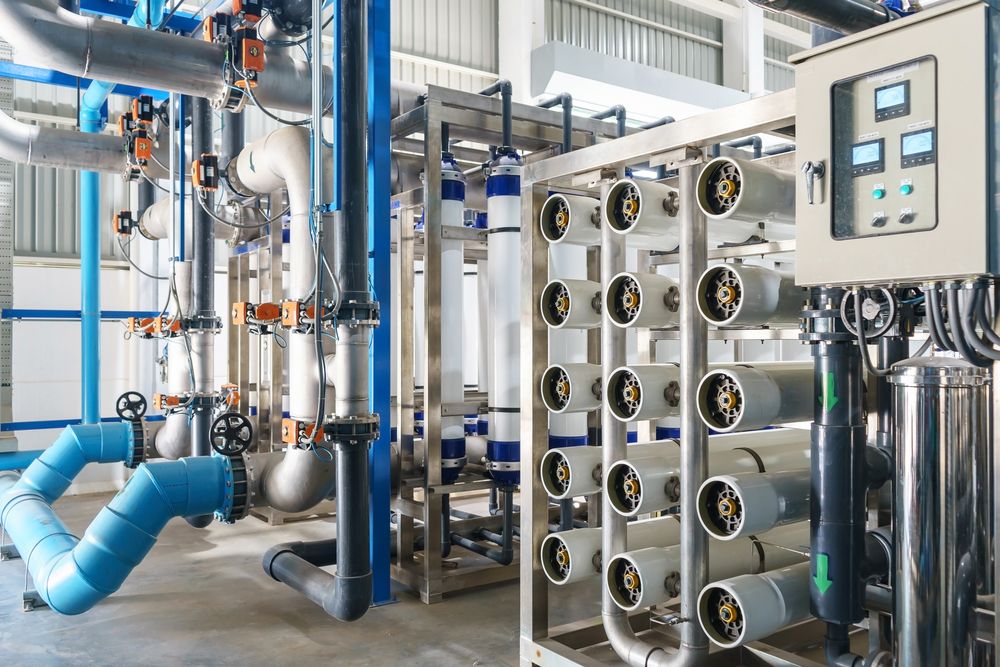
Every drop of wastewater holds the potential for a cleaner, more sustainable future. As cities expand, industries grow, and water resources become increasingly valuable, the demand for smarter sewage treatment solutions is reaching new heights. Traditional wastewater treatment methods are struggling to meet modern requirements for efficiency, space optimisation, and water reuse. This is where MBR technology (Membrane Bioreactor technology) is transforming the way sewage treatment is approached.
MBR technology combines advanced biological treatment with membrane filtration to deliver superior-quality treated water with greater reliability and efficiency. Unlike conventional sewage treatment systems, MBR offers a compact design, enhanced pollutant removal, and better control over water quality. It is also becoming an ideal choice for Industrial wastewater treatment solutions, helping industries manage complex wastewater challenges while meeting environmental standards. With increasing focus on sustainable water management and resource recovery, MBR technology in STP is emerging as a future-ready solution for industries, residential communities, and municipalities looking for efficient, reliable, and eco-friendly wastewater treatment systems.
What Is MBR Technology in Sewage Treatment?
MBR technology is an advanced wastewater treatment process that integrates a biological reactor with membrane filtration. In a traditional sewage treatment plant, treated water is separated from biological solids through settling tanks. However, in an MBR system, membranes perform this separation process, allowing only clean water molecules to pass through.
The membrane acts as a physical barrier that removes suspended solids, bacteria, and other contaminants from wastewater. This results in high-quality treated water suitable for reuse applications such as landscaping, industrial processes, toilet flushing, and groundwater recharge.
Unlike conventional treatment methods, MBR technology in STP provides consistent performance even when wastewater quality changes, making it a reliable choice for modern sewage management.
Why MBR Technology Is Becoming the Future of Sewage Treatment
1. Produces Superior Quality Treated Water
One of the biggest advantages of MBR technology is its ability to produce exceptionally clean treated water. The membrane filtration process removes fine particles, microorganisms, and harmful pollutants that may remain after conventional treatment.
This high-quality output makes MBR-treated water ideal for non-potable reuse applications. With water scarcity becoming a global concern, producing reusable water is essential for sustainable development.
2. Requires Less Space Compared to Traditional STPs
Space availability is a major challenge in urban areas. Conventional sewage treatment plants often require large settling tanks and extensive infrastructure. MBR systems require a much smaller footprint because the membrane process eliminates the need for large secondary clarifiers.
This makes MBR technology an excellent choice for:
- Residential apartments
- Commercial buildings
- Hotels
- Hospitals
- Industrial facilities
- Smart city projects
The compact design allows efficient wastewater treatment even in locations where land availability is limited.
3. Improves Water Recycling and Reuse
Water conservation is becoming a priority for industries and communities worldwide. MBR technology supports effective water recycling by producing treated water that meets strict quality standards.
The recycled water can be used for:
- Garden irrigation
- Cooling tower applications
- Industrial cleaning
- Flushing systems
- Construction activities
By reducing dependence on freshwater sources, MBR systems help organisations achieve better water management practices.
4. Handles High Organic Loads Efficiently
Sewage composition can vary depending on the source and usage patterns. MBR technology provides stable treatment performance even with fluctuating wastewater characteristics.
The biological process inside the reactor breaks down organic pollutants, while membranes ensure efficient separation of solids and microorganisms. This combination improves treatment efficiency and reduces the risk of poor-quality discharge.
5. Reduces Environmental Impact
Untreated or poorly treated sewage can cause serious environmental problems, including water pollution, damage to aquatic ecosystems, and health risks. MBR technology helps minimise these impacts by ensuring effective removal of contaminants before wastewater is released or reused.
The advanced filtration process supports compliance with environmental regulations and promotes responsible wastewater management.
MBR Technology vs Conventional Sewage Treatment Methods
Traditional sewage treatment methods rely heavily on sedimentation tanks to separate solids from treated water. While these systems can be effective, they often require more space and may have limitations in achieving higher water quality standards.
MBR technology offers several improvements:
- Higher treatment efficiency
- Better removal of microorganisms
- Smaller plant size
- Consistent water quality
- Greater potential for water reuse
- Lower risk of contamination
These benefits make MBR technology a preferred solution for future-ready sewage treatment systems.
Applications of MBR Technology
MBR systems are widely used across various sectors due to their flexibility and efficiency.
Common applications include:
Residential Wastewater Treatment
Apartment complexes and housing communities use MBR-based sewage treatment plants to manage wastewater effectively and recycle water for daily non-drinking purposes.
Industrial Wastewater Management
Industries require reliable treatment systems to handle complex wastewater. MBR technology helps industries meet discharge standards while improving opportunities for water recovery.
Commercial Establishments
Hotels, malls, educational institutions, and hospitals generate large volumes of wastewater. MBR systems provide efficient treatment with minimal space requirements.
Municipal Sewage Treatment
Cities are adopting advanced wastewater solutions to manage increasing sewage volumes. MBR technology supports sustainable urban water management by enabling efficient treatment and reuse.
Future Scope of MBR Technology
The future of sewage treatment will focus on sustainability, automation, and water recovery. MBR technology aligns perfectly with these goals by offering efficient treatment, reduced environmental impact, and improved water reuse capabilities.
Advancements in membrane materials, energy-efficient designs, and automated monitoring systems are making MBR solutions more affordable and practical. As cities and industries move toward zero-waste water management, MBR technology will play a crucial role in creating sustainable wastewater treatment systems.
Choosing the Right MBR Technology Solution
Selecting the right MBR system depends on factors such as wastewater volume, treatment requirements, available space, and reuse objectives. A properly designed MBR plant ensures long-term performance, reduced maintenance, and efficient operation.
Working with experienced wastewater treatment professionals helps organisations implement a reliable solution that meets environmental standards and operational needs.
Conclusion
MBR technology is transforming the future of sewage treatment by offering a smarter, cleaner, and more sustainable approach to wastewater management. Its ability to produce high-quality treated water, save space, support water recycling, and improve environmental protection makes it one of the most advanced solutions available today. Along with advanced sewage treatment, industries facing complex water challenges can also benefit from High TDS water treatment solutions to effectively manage dissolved solids and improve overall water quality.
As water conservation becomes increasingly important, adopting MBR technology in STP systems will help industries, communities, and cities build a more sustainable future. Combining innovative wastewater treatment methods with efficient water management solutions can create long-term benefits for both people and the environment. Investing in advanced sewage treatment solutions today ensures better resource recovery, reduced environmental impact, and a more sustainable approach to future water demands.