
Transforming Textile Wastewater Treatment with Advanced ETP Technology
Transform textile wastewater with advanced treatment solutions. ETP technology for the chemical industry ensures cleaner water, eco-friendly operations, and compliance.
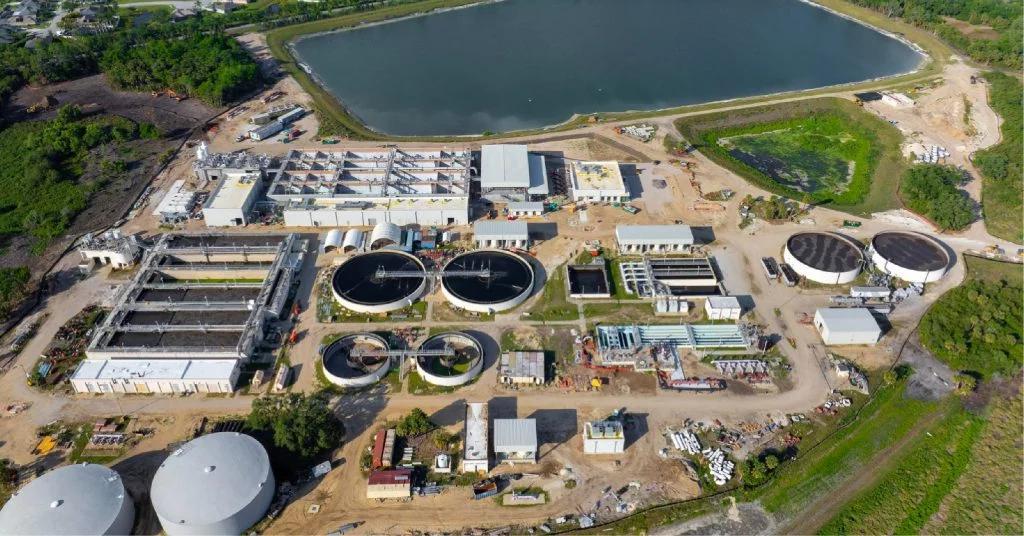
The textile industry plays a major role in global manufacturing, but it also generates significant volumes of wastewater containing dyes, chemicals, salts, and organic pollutants. Improper disposal of textile wastewater can harm aquatic ecosystems, degrade soil quality, and pose serious environmental challenges. This is where Effluent Treatment Plant (ETP) technology helps industries treat wastewater effectively and make their operations more sustainable.
The textile industry plays a major role in global manufacturing, but it also generates significant volumes of wastewater containing dyes, chemicals, salts, and organic pollutants. Improper disposal of textile wastewater can harm aquatic ecosystems, degrade soil quality, and pose serious environmental challenges. This is where Effluent Treatment Plant (ETP) technology helps industries treat wastewater effectively and make their operations more sustainable. Modern ETP technology for textile wastewater treatment uses advanced physical, chemical, and biological processes to remove harmful contaminants before the water is discharged or reused. Similar to ETP technology for chemical industry applications, textile ETP systems are designed to handle complex pollutants, improve water quality, and support responsible industrial wastewater management. By implementing efficient wastewater treatment systems, textile manufacturers can reduce pollution, recover valuable resources, and meet environmental compliance standards.
Understanding Textile Wastewater Challenges
Textile manufacturing involves various processes such as dyeing, bleaching, printing, washing, and finishing. During these operations, large quantities of water are used, resulting in wastewater containing:
- Synthetic dyes and pigments
- High chemical oxygen demand (COD)
- Biological oxygen demand (BOD)
- Heavy metals and toxic substances
- Excess salts and dissolved solids
- Suspended particles and organic matter
These contaminants make textile wastewater difficult to treat without proper technology. Conventional treatment methods may not always provide the required efficiency, especially when dealing with complex dye molecules and chemical residues.
Role of ETP Technology in Textile Wastewater Treatment
An Effluent Treatment Plant (ETP) is designed to remove pollutants from industrial wastewater through a combination of treatment processes. ETP technology helps textile industries convert highly contaminated wastewater into treated water suitable for safe discharge or reuse.
Advanced treatment systems also support High TDS water treatment solutions by effectively managing dissolved salts, chemicals, and other impurities present in industrial effluent.
1. Preliminary Treatment for Removing Large Impurities
The first stage of ETP technology focuses on removing physical impurities from textile wastewater. Screening and filtration systems help eliminate materials such as fibres, fabric particles, and suspended solids.
This step protects further treatment equipment and improves the overall efficiency of the wastewater treatment process.
2. Chemical Treatment for Colour and Pollutant Removal
Textile wastewater often contains strong dyes and chemicals that require advanced chemical treatment. Processes such as coagulation and flocculation are commonly used to remove colour, suspended particles, and other contaminants.
During this stage, chemicals are added to wastewater to bind small particles together, forming larger particles that can be easily separated.
Advanced oxidation processes can also help break down complex organic compounds and improve water quality.
3. Biological Treatment for Organic Waste Reduction
Biological treatment is an important part of ETP systems, where microorganisms naturally break down organic pollutants present in wastewater.
Technologies such as activated sludge processes, Moving Bed Biofilm Reactor (MBBR), and other biological systems help reduce BOD and COD levels effectively.
Biological treatment provides an eco-friendly solution by using natural microbial activity to clean wastewater while reducing chemical dependency.
4. Advanced Filtration and Water Recovery
Modern textile industries are increasingly focusing on water conservation. Advanced filtration technologies such as membrane filtration, ultrafiltration, and reverse osmosis help achieve higher-quality treated water.
These technologies allow industries to recover and reuse wastewater for applications such as:
- Fabric washing
- Cooling systems
- Process water requirements
- Cleaning operations
Water recycling through advanced ETP solutions helps reduce freshwater consumption and supports sustainable manufacturing practices.
Benefits of ETP Technology for Textile Industries
Reduces Environmental Pollution
Untreated textile wastewater can release harmful chemicals into rivers and groundwater. ETP technology removes toxic substances and ensures wastewater meets environmental safety standards before disposal.
Supports Water Recycling and Reuse
With increasing water scarcity, textile industries need efficient water management solutions. Advanced ETP systems enable wastewater recovery, helping businesses reuse treated water and reduce dependence on fresh water sources.
Improves Regulatory Compliance
Industries must follow strict environmental regulations related to wastewater discharge. A properly designed ETP system helps textile manufacturers maintain compliance with pollution control guidelines.
Reduces Operational Costs
Although installing an ETP requires investment, it helps industries save money in the long term by reducing water consumption, lowering waste disposal costs, and improving resource efficiency.
Promotes Sustainable Textile Manufacturing
Sustainability has become a key priority for modern textile companies. Implementing advanced wastewater treatment solutions improves environmental responsibility and enhances the company’s reputation among customers and stakeholders.
Advanced Technologies Enhancing Textile ETP Systems
With continuous innovation, textile wastewater treatment has become more efficient and reliable. Industries are adopting advanced wastewater treatment technologies to improve water recovery, reduce pollutants, and meet environmental standards. Some advanced technologies used in modern ETP systems include:
Membrane Bioreactor (MBR):
Combines biological treatment with membrane filtration to produce high-quality treated water with improved pollutant removal.
Zero Liquid Discharge (ZLD):
ZLD systems help industries recover maximum water from wastewater while eliminating liquid waste discharge.
Reverse Osmosis (RO):
RO technology removes dissolved salts, chemicals, and impurities, making treated water suitable for reuse.
Electrocoagulation:
Uses electrical processes to remove dyes, heavy metals, and difficult-to-treat pollutants.
These technologies help textile industries achieve higher water recovery rates and improve overall wastewater management efficiency.
Why Textile Industries Should Invest in Advanced ETP Solutions
Increasing environmental concerns and strict wastewater regulations have made efficient treatment systems essential for textile manufacturers. A well-designed ETP not only protects the environment but also improves operational efficiency.
By adopting advanced textile wastewater treatment solutions, industries can achieve better water management, reduce their environmental footprint, and create a more sustainable production process.
Conclusion
ETP technology has transformed the way textile industries manage wastewater by providing effective solutions for removing dyes, chemicals, and organic pollutants. Through advanced treatment processes, industries can recycle water, reduce pollution, and comply with environmental standards.
Investing in modern ETP technology for textile wastewater treatment is not only an environmental responsibility but also a smart business decision. With the right wastewater treatment system, textile manufacturers can achieve sustainable growth while protecting valuable water resources for the future.