Sustainable Water Treatment and Waste Management Solutions
Sustainable Water Treatment and Waste Management Solutions: Building a Greener Future
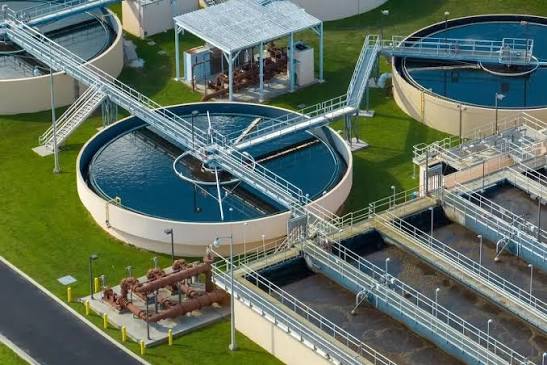
Water is one of the most valuable natural resources, yet increasing industrialisation, urban growth, and climate change are placing immense pressure on global water supplies. At the same time, improper waste disposal continues to pollute rivers, lakes, and groundwater, creating serious environmental and public health concerns. This is why sustainable water
treatment and waste management solutions have become essential for industries, municipalities, and commercial facilities.
Modern industries require advanced systems that can efficiently manage complex wastewater challenges. Implementing Industrial wastewater treatment solutions helps organizations treat contaminated water, recover valuable resources, and maintain compliance with environmental regulations. Similarly, industries dealing with elevated mineral content and dissolved solids can
benefit from High TDS water treatment solutions designed to improve water quality and enable effective reuse.
Modern treatment technologies not only ensure compliance with environmental regulations but also help conserve water, reduce operational costs, and support long-term sustainability goals. By adopting eco-friendly water treatment systems and responsible waste management practices, businesses can improve efficiency while protecting the environment for future generations.
Why Sustainable Water Treatment Matters
Sustainable water treatment focuses on treating wastewater efficiently while minimising energy consumption, reducing waste, and maximising water reuse. Instead of viewing wastewater as a disposal problem, modern systems transform it into a valuable resource.
Industries such as pharmaceuticals, food processing, textiles, chemicals, and manufacturing generate significant volumes of wastewater every day. Treating and reusing this water helps reduce dependence on freshwater sources while lowering operational expenses.
According to the United Nations, more than 2 billion people worldwide lack access to safely managed drinking water, making water conservation a global priority.
Key Sustainable Water Treatment Solutions
Wastewater Recycling
Wastewater recycling allows treated water to be reused for industrial processes, cooling systems, cleaning operations, landscaping, and irrigation. Reusing water reduces freshwater consumption and supports sustainable resource management.
Biological Treatment Systems
Biological treatment uses naturally occurring microorganisms to break down organic pollutants in wastewater. The United States Environmental Protection Agency (EPA) provides detailed guidelines on wastewater treatment practices and environmental protection standards.
Advanced Filtration
Modern filtration systems improve water quality by removing suspended solids, harmful microorganisms, heavy metals, and dissolved impurities. Common technologies include Reverse Osmosis (RO), Ultrafiltration (UF), and Activated Carbon Filters.
Zero Liquid Discharge (ZLD)
Zero Liquid Discharge is one of the most sustainable approaches to industrial wastewater treatment. ZLD systems recover nearly all usable water while converting the remaining waste into solid residues for safe disposal. This technology is particularly valuable in industries facing strict environmental regulations and water scarcity.
Sustainable Waste Management Practices
Effective waste management is equally important for protecting natural resources and reducing environmental pollution.
Some of the best practices include:
- Segregating hazardous and non-hazardous waste
- Recycling reusable materials
- Proper sludge treatment and disposal
- Recovering valuable resources from waste
- Reducing landfill dependency
These practices support a circular economy by minimising waste and maximising resource recovery.
Benefits for Businesses
Investing in sustainable water treatment and waste management solutions provides several long-term advantages.
- Reduces freshwater consumption
- Lowers operating and maintenance costs
- Improves compliance with environmental regulations
- Enhances corporate sustainability goals
- Strengthens brand reputation
- Supports Environmental, Social, and Governance (ESG) initiatives
- Minimises environmental impact
Businesses that prioritise sustainability are better positioned to meet customer expectations while improving operational efficiency.
Emerging Technologies
Technology is making water treatment smarter and more efficient than ever before.
Smart sensors and IoT-based monitoring systems continuously track water quality, chemical dosing, and equipment performance. Artificial Intelligence (AI) helps optimise treatment processes by predicting maintenance needs and improving energy efficiency.
Many treatment plants are also integrating renewable energy sources such as solar power and biogas to reduce carbon emissions and operating costs.
Frequently Asked Questions
What is sustainable water treatment?
Sustainable water treatment uses environmentally friendly technologies that conserve water, reduce pollution, improve energy efficiency, and promote water reuse.
Why is wastewater recycling important?
Wastewater recycling reduces freshwater demand, lowers treatment costs, protects natural water resources, and supports long-term sustainability.
Which industries benefit from sustainable water treatment?
Industries including pharmaceuticals, food processing, textiles, chemicals, manufacturing, healthcare, hospitality, and municipalities benefit from sustainable treatment systems.
What is Zero Liquid Discharge (ZLD)?
Zero Liquid Discharge is an advanced treatment process that recovers almost all water from wastewater and eliminates liquid discharge by converting waste into solid residues.
How does sustainable waste management help businesses?
It reduces disposal costs, improves recycling rates, ensures regulatory compliance, conserves resources, and enhances environmental performance.
Conclusion
As global water demand continues to grow, adopting sustainable water treatment and waste management solutions has become a necessity rather than an option. Modern technologies such as wastewater recycling, biological treatment, advanced filtration, and Zero Liquid Discharge help industries conserve water, reduce pollution, and improve operational efficiency.
Organisations that invest in sustainable practices today not only comply with environmental regulations but also gain long-term financial and competitive advantages. By embracing innovative water treatment technologies and responsible waste management strategies, businesses can contribute to a cleaner environment while building a resilient and sustainable future.