
How to Remove Heavy Metals from Industrial Effluent
Discover effective methods to remove heavy metals from industrial effluent and improve wastewater treatment efficiency with Senkar Water Tech.
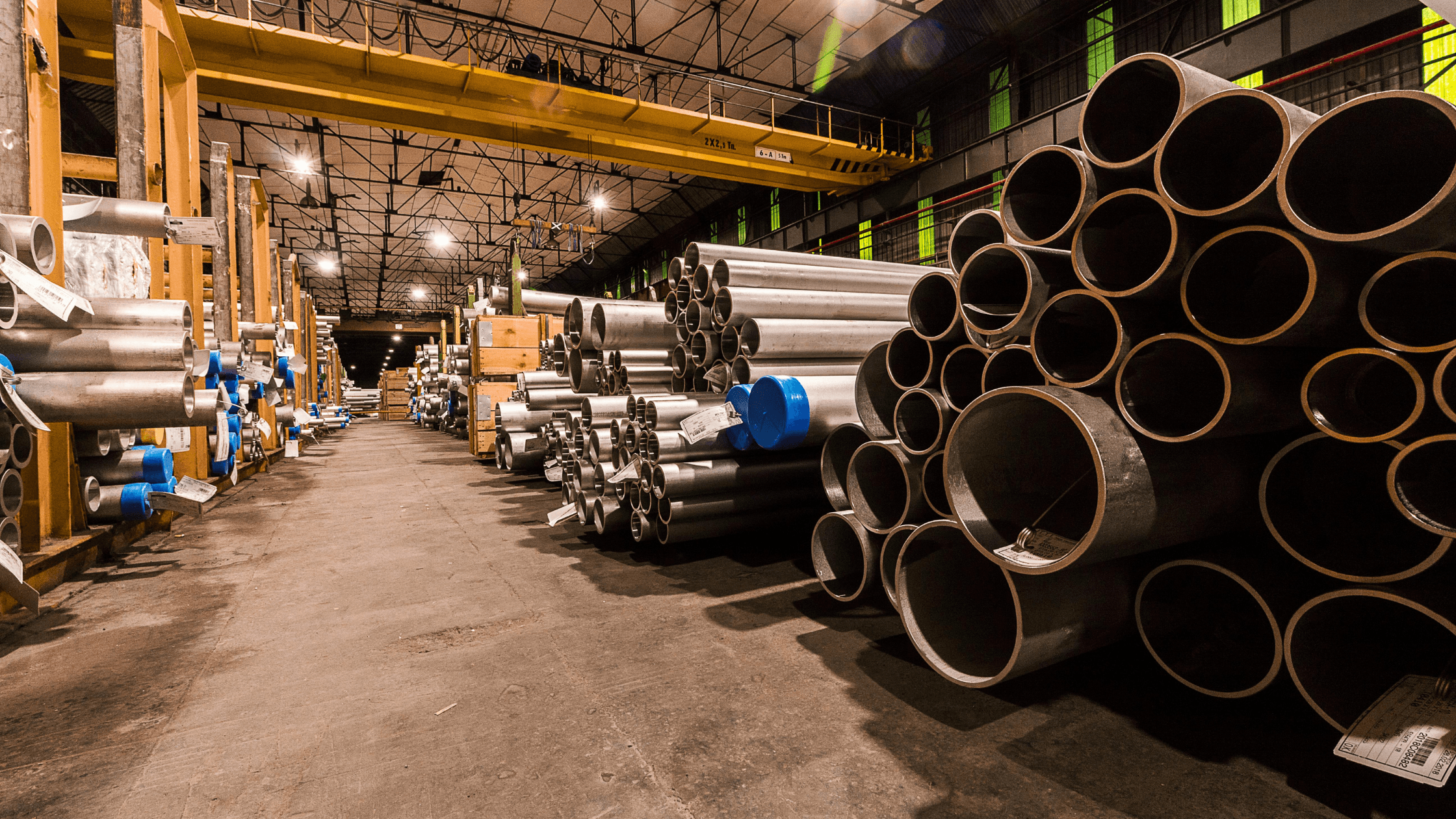
Industrial growth has brought significant economic benefits, but it has also increased the generation of wastewater containing hazardous contaminants. Among these pollutants, heavy metals are some of the most concerning due to their toxicity, persistence, and potential impact on human health and the environment. Industries such as electroplating, mining, pharmaceuticals, textiles, chemicals, metal processing, and electronics often discharge wastewater containing metals like lead, mercury, cadmium, chromium, nickel, and copper.
As environmental regulations become stricter, industries are under increasing pressure to adopt reliable treatment solutions. Understanding how to remove heavy metals from industrial effluent is essential for maintaining compliance, protecting water resources, and supporting sustainable operations.
Why Heavy Metals in Industrial Effluent Are a Serious
Concern
Heavy metals do not degrade naturally and can accumulate in water bodies, soil, and living organisms. Even at low concentrations, these contaminants can pose serious health and environmental risks.
Common impacts include:
- Contamination of surface and groundwater sources
- Harm to aquatic ecosystems
- Soil degradation and reduced agricultural productivity
- Health issues caused by exposure through drinking water or food chains
- Regulatory penalties for non-compliance
To address these challenges, industries must implement effective systems to remove heavy metals from industrial effluent before wastewater is discharged or reused.
Common Heavy Metals Found in Industrial Wastewater
Different industries generate wastewater containing varying concentrations of heavy metals.
Some of the most commonly encountered contaminants include:
- Lead (Pb)
- Mercury (Hg)
- Cadmium (Cd)
- Chromium (Cr)
- Nickel (Ni)
- Copper (Cu)
- Zinc (Zn)
- Arsenic (As)
The presence and concentration of these metals depend on industrial processes, raw materials, and production methods. Therefore, selecting the right technology to remove heavy metals from industrial effluent requires a detailed understanding of wastewater characteristics.
Challenges in Heavy Metal Removal
Many industries face difficulties when attempting to treat metal-contaminated wastewater. Some common challenges include:
Variable Wastewater Composition
Industrial wastewater characteristics can change frequently due to production schedules, making treatment more complex.
Presence of Multiple Contaminants
Heavy metals are often accompanied by oils, suspended solids, chemicals, and organic pollutants, which can affect treatment efficiency.
Stringent Discharge Regulations
Environmental authorities enforce strict discharge standards, requiring industries to consistently achieve low metal concentrations.
Operational Costs
Finding a balance between treatment performance and operating expenses is essential for long-term sustainability.
These challenges highlight the importance of selecting the most suitable solution to remove heavy metals from industrial effluent efficiently and economically.
Technologies Used to Remove Heavy Metals from
Industrial Effluent
Several advanced treatment technologies are available today. The choice depends on wastewater composition, treatment goals, and regulatory requirements.
Chemical Precipitation
Chemical precipitation is one of the most widely used methods to remove heavy metals from industrial effluent. Chemicals are added to convert dissolved metals into insoluble compounds that can be separated from the water.
Advantages:
- Cost-effective
- Suitable for large wastewater volumes
- Easy to implement
Limitations:
- Generates sludge requiring disposal
- Performance may vary with pH fluctuations
Ion Exchange
Ion exchange systems use specialized resins that selectively remove metal ions from wastewater.
Advantages:
- High removal efficiency
- Suitable for low metal concentrations
- Produces high-quality treated water
Limitations:
- Resin regeneration requirements
- Higher operating costs compared to some conventional methods
Membrane Filtration
Technologies such as reverse osmosis (RO), nanofiltration (NF), and ultrafiltration (UF) are increasingly used to remove heavy metals from industrial effluent.
Advantages:
- Excellent removal performance
- Supports water reuse initiatives
- Reduces dissolved contaminants effectively
Limitations:
- Membrane fouling
- Requires periodic maintenance
Adsorption
Adsorption systems use materials such as activated carbon, specialized media, or engineered adsorbents to capture heavy metal ions.
Advantages:
- Effective for polishing treatment
- Flexible operation
- Suitable for a wide range of metals
Limitations:
- Adsorbent replacement costs
- Performance depends on contaminant concentration
Electrochemical Treatment
Electrochemical technologies use electrical currents to separate and recover metal contaminants from wastewater.
Advantages:
- High efficiency
- Reduced chemical consumption
- Potential metal recovery benefits
Limitations:
- Higher energy requirements
- Specialized equipment needed
Integrated Treatment Approaches
In many cases, a single technology may not achieve the desired treatment goals. Modern facilities often combine multiple processes to remove heavy metals from industrial effluent more effectively.
For example, a treatment system may include:
1.Equalization and pH adjustment
2. Chemical precipitation
3. Clarification
4. Filtration
5. Reverse osmosis
6. Final polishing treatment
This integrated approach improves overall efficiency and helps industries consistently meet discharge standards.
Benefits of Effective Heavy Metal Removal
Investing in advanced treatment systems provides several long-term advantages.
Regulatory Compliance
Proper systems help industries meet environmental regulations and avoid penalties.
Environmental Protection
Efficient treatment reduces contamination of rivers, lakes, and groundwater resources.
Water Reuse Opportunities
Many treatment technologies enable wastewater recycling, reducing freshwater consumption.
Improved Corporate Sustainability
Organizations that successfully remove heavy metals from industrial effluent demonstrate their commitment to environmental responsibility and sustainable operations.
Cost Savings
Water recovery, reduced disposal costs, and improved operational efficiency can generate significant long-term savings.
How Senkar Water Tech Helps Industries
At Senkar Water Tech, we understand the complexities involved in treating industrial wastewater containing heavy metals. Our team provides customized water and wastewater treatment solutions designed to meet industry-specific requirements.
From detailed wastewater analysis and process design to installation and ongoing support, we help industries remove heavy metals from industrial effluent using proven and advancedtechnologies. Our solutions focus on achieving regulatory compliance, enhancing operational efficiency, and supporting sustainable water management practices.
Whether your facility requires chemical treatment systems, membrane-based solutions, ion exchange technology, or integrated effluent treatment plants, Senkar Water Tech delivers reliable and cost-effective solutions tailored to your needs.
Choose the Right Solution for Heavy Metal Removal
Heavy metal contamination remains one of the most critical challenges in industrial wastewater management. Industries must adopt effective treatment strategies to protect the environment, comply with regulations, and optimize water usage. Understanding the available technologies and their applications is essential for selecting the right solution.
By implementing advanced systems to remove heavy metals from industrial effluent, industries can minimize environmental risks, improve sustainability, and ensure long-term operational success. With the expertise and innovative treatment solutions offered by Senkar Water Tech, businesses can confidently address heavy metal contamination and achieve superior wastewater treatment performance.