
Hospital Wastewater Treatment in India: Challenges and Solutions
Learn how MBR technology in STP helps hospitals in India manage wastewater efficiently, reduce pollution, meet compliance standards, and support sustainable treatment solutions.
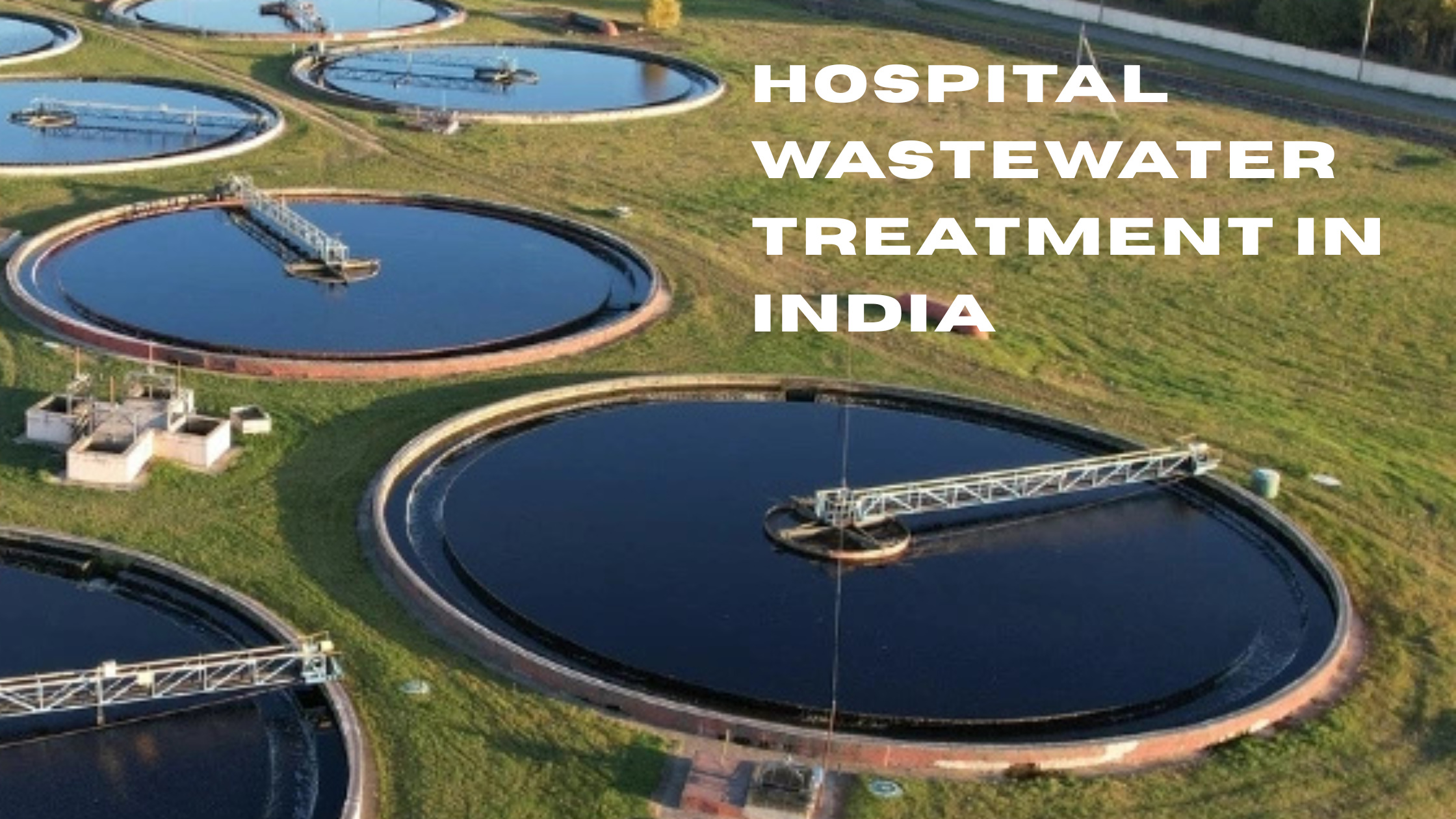
Healthcare facilities play a vital role in protecting public health, but they also generate large volumes of wastewater containing harmful contaminants. In India, the rapid growth of hospitals, diagnostic centers, laboratories, and healthcare institutions has significantly increased the need for efficient wastewater management systems. Untreated or poorly treated hospital wastewater can create serious environmental and health hazards, affecting water bodies, soil quality, and public safety.
This is where advanced treatment technologies and sustainable wastewater management systems become essential. Companies like Senkar Water Tech are helping healthcare facilities adopt efficient treatment solutions that ensure compliance, environmental protection, and long-term sustainability.
Understanding Hospital Wastewater
Hospital wastewater is very different from regular domestic sewage. It contains a complex mix of contaminants such as:
- Pathogens and infectious microorganisms
- Pharmaceutical residues
- Antibiotics and chemical compounds
- Disinfectants and laboratory chemicals
- Organic waste and suspended solids
- High biological and chemical oxygen demand (BOD and COD)
If discharged without proper treatment, this wastewater can contaminate groundwater, rivers, lakes, and municipal sewage systems. It may also contribute to the spread of antimicrobial resistance, which is becoming a major global concern.
Because of these risks, hospitals require specialized wastewater treatment systems capable of handling highly variable and contaminated effluent streams.
Challenges in Hospital Wastewater Treatment in India
1. Increasing Healthcare Infrastructure
India’s healthcare sector is expanding rapidly, with new hospitals, clinics, and specialty healthcare centers being established across urban and rural regions. Many smaller healthcare facilities still lack proper sewage treatment infrastructure, leading to untreated wastewater discharge.
2. Presence of Hazardous Contaminants
Hospital wastewater contains chemical and biological pollutants that are more hazardous than domestic sewage. Conventional sewage treatment methods are often insufficient to remove pharmaceutical residues and pathogens effectively.
3. High BOD and COD Levels
One of the major treatment challenges is reducing high BOD and COD levels in wastewater. Excess organic matter can deplete oxygen levels in water bodies and negatively impact aquatic ecosystems. Advanced biological treatment systems are necessary to handle these loads efficiently.
4. Regulatory Compliance
Hospitals in India must comply with environmental regulations set by the Central Pollution Control Board (CPCB) and State Pollution Control Boards. Non-compliance can result in penalties, operational disruptions, and environmental liabilities.
5. Limited Space for Treatment Systems
Many urban hospitals face space constraints, making it difficult to install large conventional treatment plants. Compact and efficient treatment technologies are therefore becoming increasingly important.
Importance of Advanced Wastewater Treatment Solutions
Modern healthcare facilities require wastewater treatment systems that are reliable, compact, energy-efficient, and capable of removing complex contaminants. Advanced treatment technologies help hospitals:
- Protect public health
- Prevent environmental pollution
- Meet discharge standards
- Enable water reuse and recycling
- Reduce operational costs
- Improve sustainability initiatives
Among the available technologies, MBR technology in STP has emerged as one of the most effective and reliable solutions for hospital wastewater treatment.
Why MBR Technology in STP is Ideal for Hospitals
MBR technology in STP combines biological treatment with advanced membrane filtration to achieve superior wastewater purification. The system integrates activated sludge treatment with ultrafiltration membranes, ensuring excellent removal of contaminants, pathogens, and suspended solids.
Today, many healthcare facilities are adopting MBR technology in STP because it provides high treatment efficiency while occupying less space compared to conventional systems.
Key Advantages of MBR Technology in STP
Superior Water Quality
One of the biggest benefits of MBR technology in STP is its ability to produce high-quality treated water suitable for reuse applications such as flushing, cooling towers, and landscaping.
Effective Pathogen Removal
Hospital wastewater contains harmful microorganisms that require advanced treatment. MBR technology in STP offers excellent removal of bacteria, viruses, and suspended solids through membrane filtration.
Compact Design
Hospitals with limited installation space benefit greatly from compact treatment systems. MBR technology in STP requires significantly less footprint than traditional sewage treatment plants.
Reduced Sludge Generation
Compared to conventional systems, MBR technology in STP generates lower sludge volumes, reducing sludge handling and disposal costs.
Consistent Performance
Hospital wastewater characteristics can fluctuate throughout the day. MBR technology in STP provides stable and reliable treatment performance even under varying load conditions.
Compliance with Environmental Standards
Advanced treatment efficiency helps healthcare facilities comply with stringent discharge regulations and environmental norms.
Role of Sustainable Wastewater Management
Sustainability is becoming a major priority for hospitals and healthcare institutions across India. Water scarcity, rising operational costs, and environmental concerns are driving the adoption of water reuse and recycling systems.
Advanced wastewater treatment systems support sustainability by:
- Reducing freshwater consumption
- Enabling treated water reuse
- Lowering environmental impact
- Improving energy efficiency
- Supporting green building initiatives
Integrating MBR technology in STP with tertiary treatment systems such as RO and UV disinfection can further improve water recovery and reuse capabilities.
How Senkar Water Tech Supports Healthcare Facilities
Senkar Water Tech provides advanced wastewater treatment solutions designed to meet the complex requirements of hospitals and healthcare institutions. With expertise in membrane systems, sewage treatment technologies, and sustainable engineering, the company delivers customized solutions for efficient wastewater management.
Their solutions include:
- Advanced MBR technology in STP
- High-performance membrane filtration systems
- RO and UF treatment solutions
- Chemical dosing systems
- Energy-efficient wastewater treatment technologies
- End-to-end installation and support services
By implementing advanced wastewater treatment systems, hospitals can improve operational efficiency, reduce environmental risks, and ensure long-term regulatory compliance.
Conclusion
Hospital wastewater treatment has become a critical environmental and public health requirement in India. Increasing healthcare infrastructure and stricter environmental regulations demand advanced and sustainable treatment solutions capable of handling complex wastewater streams.
Among the available technologies, MBR technology in STP stands out as an efficient, compact, and reliable solution for treating hospital sewage. Its ability to deliver superior water quality, effective pathogen removal, and operational efficiency makes it ideal for modern healthcare facilities.
With innovative treatment technologies and sustainable engineering expertise, Senkar Water Tech helps hospitals implement reliable wastewater treatment systems that support environmental protection, water conservation, and regulatory compliance.