
How Industrial Water Treatment Improves Business Efficiency
Transform your business with advanced industrial water treatment that boosts productivity, reduces costs, and delivers Energy savings in RO systems for sustainable growth.
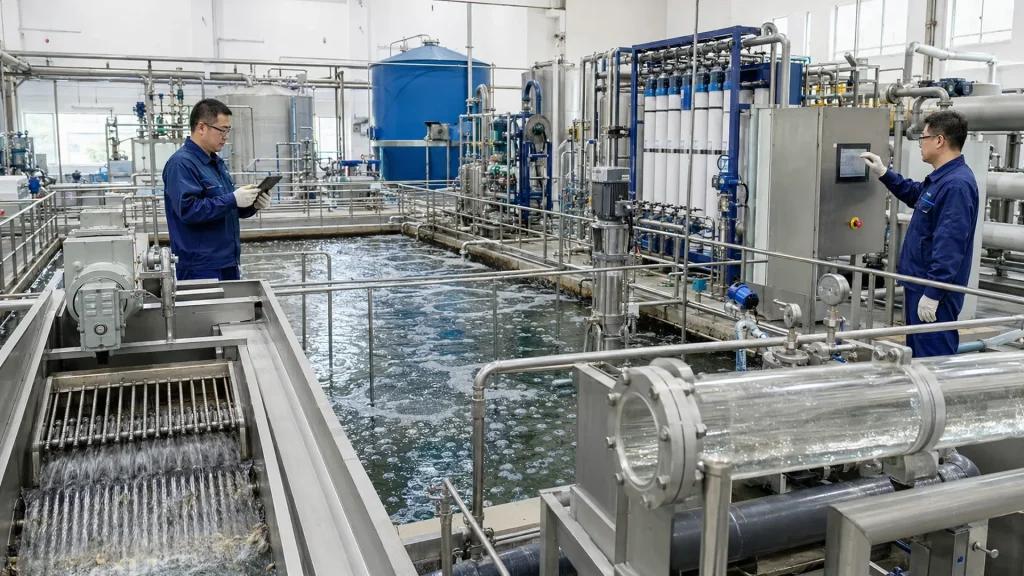
Why Industries Need Advanced Water Treatment Systems for Energy Savings in RO Systems
Water plays a critical role in almost every industrial operation, from manufacturing and chemical processing to food production and power generation. However, untreated or poorly managed water can create serious challenges, including equipment damage, higher operating costs, production delays, and environmental compliance issues. Implementing effective industrial water treatment solutions helps businesses improve efficiency, reduce expenses, and maintain smooth operations.
Modern industries are focusing on advanced water management systems to optimise resource usage and protect their investments. By treating wastewater, removing harmful contaminants, and improving water quality, companies can achieve better productivity while supporting sustainable business practices. Advanced treatment technologies also help industries improve system performance and achieve Energy savings in RO systems by reducing energy consumption, optimising filtration processes, and ensuring efficient water purification operations.
Reducing Operational Costs Through Better Water Management
One of the biggest advantages of industrial water treatment is cost reduction. Poor-quality water often contains minerals, chemicals, and suspended solids that can damage machinery, pipelines, boilers, and cooling systems. Scaling and corrosion caused by untreated water increase maintenance requirements and reduce equipment lifespan.
With proper water treatment processes, businesses can prevent these issues and reduce frequent repair expenses. Cleaner water improves system performance, minimises downtime, and allows industrial equipment to operate efficiently for longer periods.
Advanced treatment technologies such as filtration, reverse osmosis, and membrane-based systems help industries maintain consistent water quality while lowering long-term operational costs.
Improving Equipment Performance and Longevity
Industrial machinery depends on reliable water quality for efficient operation. In industries such as manufacturing, pharmaceuticals, textiles, and chemicals, impurities in water can affect production processes and product quality.
Industrial water treatment removes unwanted substances such as dissolved solids, heavy metals, organic contaminants, and harmful chemicals. This creates a safer operating environment for equipment and prevents problems like corrosion, blockages, and reduced heat transfer efficiency.
When equipment functions properly without frequent interruptions, businesses can improve productivity and achieve better overall performance.
Enhancing Production Efficiency
Consistent water quality is essential for maintaining smooth industrial processes. Variations in water composition can lead to production inconsistencies, material wastage, and quality issues.
A reliable water treatment system ensures that industries receive water that meets specific process requirements. Whether it is purified water for manufacturing or treated wastewater for reuse, proper treatment supports uninterrupted production.
For example, industries using advanced wastewater treatment technologies can recycle treated water for non-potable applications, reducing dependency on fresh water sources and improving resource efficiency.
Supporting Wastewater Recycling and Reuse
Water scarcity has become a major concern for industries worldwide. Businesses are now adopting wastewater recycling solutions to reduce water consumption and improve sustainability.
Industrial water treatment systems allow companies to recover and reuse water from manufacturing processes. Advanced technologies such as Zero liquid discharge ETP, membrane filtration, and advanced biological treatment help industries maximise water recovery while minimising waste discharge. These solutions enable businesses to reduce freshwater dependency, manage industrial effluent effectively, and achieve more sustainable water management practices.
Reusing treated water not only lowers water procurement costs but also helps companies achieve environmental goals, improve operational efficiency, and comply with sustainability standards.
Ensuring Environmental Compliance
Industries are required to follow strict regulations regarding wastewater discharge and environmental protection. Managing industrial effluent responsibly is essential, as untreated discharge can lead to legal complications, penalties, and reputational losses.
Effective water treatment helps businesses meet regulatory requirements by reducing pollutants before wastewater is discharged or reused. Advanced systems help remove contaminants such as chemicals, oils, toxic substances, and heavy metals from industrial wastewater.
By maintaining responsible water management practices, companies can build a positive environmental image and demonstrate their commitment to sustainability.
Improving Workplace Safety
Poor water management can create health and safety risks for employees. Contaminated water may contribute to unpleasant odours, harmful exposure, and unsafe working conditions.
Industrial water treatment creates a cleaner and safer workplace by controlling pollutants and maintaining proper hygiene standards. This is especially important for industries where water quality directly affects employee safety and product manufacturing.
A safer workplace improves employee confidence, reduces risks, and supports better business operations.
Increasing Energy Efficiency
Water quality also impacts energy consumption in industrial facilities. For example, scale buildup in boilers and heat exchangers reduces efficiency and forces systems to use more energy to maintain performance.
By treating water and preventing mineral deposits, businesses can improve heat transfer efficiency and reduce energy usage. This leads to lower utility expenses and more sustainable industrial operations.
Energy-efficient water management systems contribute to long-term savings while reducing the environmental footprint of industrial activities.
Choosing the Right Industrial Water Treatment Approach
Every industry has unique water requirements based on its processes, wastewater characteristics, and operational goals. Selecting the right treatment technology is essential for achieving maximum efficiency.
A professional water treatment provider can analyse water quality, identify challenges, and recommend customised solutions. Solutions may include:
- Effluent Treatment Plants (ETP)
- Sewage Treatment Plants (STP)
- Reverse Osmosis (RO) systems
- Membrane Bioreactor (MBR) technology
- Zero Liquid Discharge systems
- Advanced filtration solutions
A customised approach ensures businesses receive efficient treatment while optimising costs and performance.
Conclusion
Industrial water treatment is not just an environmental responsibility; it is a strategic investment that improves business efficiency. From reducing maintenance costs and improving equipment performance to supporting water reuse and regulatory compliance, effective treatment solutions provide long-term benefits.
Businesses that adopt advanced industrial water treatment solutions can achieve better productivity, lower operational expenses, and sustainable growth. With the right technology and expert support, industries can transform water management into a competitive advantage while protecting valuable resources for the future.